

About
Table of Contents
Could it be that quietness doesn’t necessarily mean disengagement, and that enthusiasm isn’t always disruption? Discover how understanding cultural identities can help you interpret students’ behaviour more accurately whilst strengthening classroom relationships and creating more inclusive learning environments.
It often seems that the loudest students naturally draw the most attention; they engage well with tasks by speaking freely and confidently and raising their hands often. Rather than interpreting this as a disruption, it may be that louder, more enthusiastic students may be demonstrating a different communication style.
However, what about the quieter students? By contributing in less conventional ways, they can easily be overlooked. Over time, this lack of recognition can affect their confidence and limit their opportunities to demonstrate their knowledge.
Understanding what causes these situations is important, which is why Cultural Infusion encourages educators to look beyond behaviour and recognise the unique cultural identities each student brings. This creates a stronger foundation for accurately interpreting behaviour.
As teachers and individuals, it’s natural to interpret behaviours based on our own cultural expectations. Before responding, we might need to consider what it might mean. Is it reflective of cultural differences, personality traits, or diverse learning styles? Often, behaviour can be shaped by multiple aspects of identity rather than singular labels.
Is quietness really disengagement? (recognising cultural differences in behaviour)
How can it can be said that ‘students who passively disengage perform just as badly as those who are disruptive or aggressive’? In doing so, this statement ignores the factors of ‘passiveness’, which can be perceived as ‘disengagement’, and overlooks the different types of student engagement with teachers. It could be said that engagement is not limited to speaking first, contributing verbally or taking a visual leadership role; instead, students may just demonstrate engagement differently, eager to support or collaborate with peers rather than lead.
As teachers often have very limited information when interpreting student behaviour, understanding their cultural identities becomes essential. In some cultures, openly challenging a teacher (an authority figure) or offering contrasting viewpoints may be viewed as disrespectful rather than engaged learning.
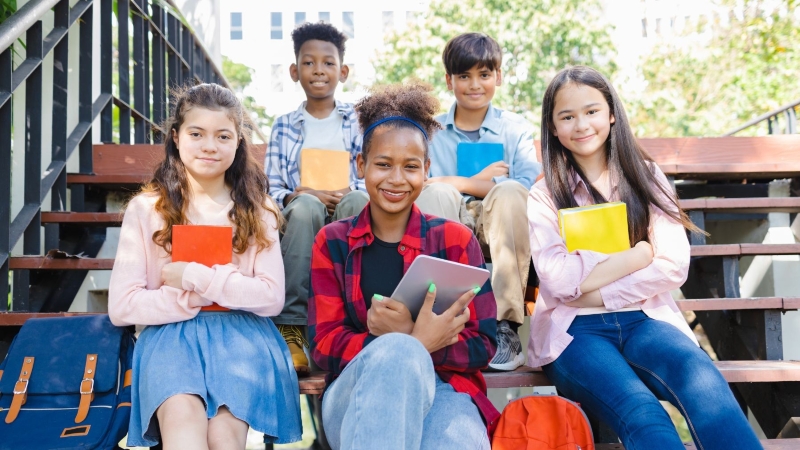
Teachers should avoid assuming that one cultural background determines how a student should behave, which is why Cultural Infusion encourages educators to consider how the four main metrics of culture can shape students’ responses in the classroom.
By recognising these different cultural expectations, educators can interpret behaviour with greater understanding, an approach that sits at the heart of Cultural Infusions ‘ intercultural practices.
From understanding to responding (what can teachers do?)
Understanding behaviour is only the first step; if we know why incorporating innovative discussion methods and collaborative lessons enhances classroom experiences, how can teachers respond in ways that shape and support a wide range of learners?
To do so, one might rethink teaching methods for students including, but not limited to:
- providing multiple ways for them to demonstrate their understanding
- creating small-group discussions where students may feel more comfortable contributing.
These adjustments do not lower expectations; they remove unnecessary barriers that may prevent students from participating authentically.
Rather than expecting students to conform to a single idea of what an engaged learner looks like. Cultural Infusion encourages educators to recognise the diverse communication styles and perspectives in their classrooms; just as our 3Rs support this approach: Relating, Representing and Responding. Together, these turn cultural understanding into practical classroom action
It is not about changing students’ behaviours to fit the classroom, but about reflecting on which cultural norms your classroom may privilege. Doing so, while making thoughtful adjustments, protects student comfort and harmony.

Developing cultural competence in practice
Cultural competence asks educators to notice and question their own assumptions, by considering the cultural and individual factors shaping student behaviour.
As teachers, your role is to shape the environments in which students learn to participate, communicate, and understand their own contributions.
Rather than relying on broad assumptions about culture, cultural infusion encourages educators to recognise the unique cultural perspectives of the students in their classroom. This approach allows for greater awareness of students’ diverse learning needs and cultural perspectives in the classroom, thereby promoting more inclusive pedagogies to be adopted to improve student engagement and learning outcomes.
Reflection: The Foundation of Cultural Competence
Teaching strategies matter, but they begin with reflection. A major part of teaching and adapting is the willingness to reflect on one’s own expectations and unconscious biases, and what do you know about the identities represented in your classroom?
Reflection encourages educators to pause before making assumptions and instead begin to consider questions such as:
- Who is being heard?
- What message your physical space communicates?
Classrooms, therefore, become a space where diversity is recognised as a strength rather than a challenge or ‘disengagement’. Physical space, emotional support and social relationships can all shape whether students feel recognised and able to participate.
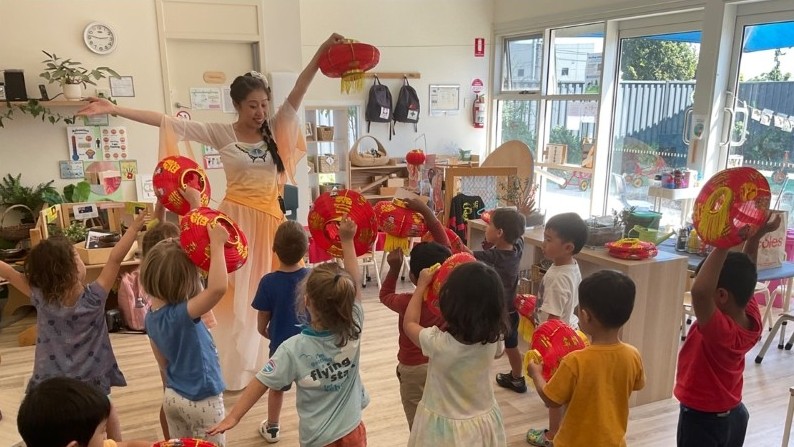
Overall, it becomes clear that quiet students aren’t always disengaged, just as confidence isn’t always necessarily engaged, and enthusiasm isn’t always necessarily disruption. By developing cultural competence, educators can move beyond assumptions about student behaviour and create culturally responsive classrooms where diverse identities, perspectives and ways of participating are recognised, represented and valued.
Diverse engagement strategies best capture the attention of all students by providing more opportunities for everyone to develop.
However, a key thing to remember is that before you can proactively adjust your classroom learning, you must first reflect on your own biases to ensure you are as fair as possible to all cultures and students. Just as our new and upcoming courses Foundations of Cultural Competence and Building a Culturally Responsive Classroom on our Learning Hub platform, and other blogs can aid teachers (such as yourselves) in simultaneously understanding and identifying your classroom, culturally and psychologically.
Thus, ensuring a community and a safe space in your classroom for all allows for better exploration, development (professional and personal), ideas, and a harmonious learning experience.