

About
September 16, 2026
Are You Trying to Fix Classroom Conflict Too Quickly?
Learning Hub
6 mins read
Table of Contents
How can classroom conflict create opportunities for dialogue, understanding and belonging?
Two students are arguing over a point, desperate to prove they are correct. As voices become raised, students watch and look to you to know what to do next. Your instinct is to step in, separate the students, maybe even make them apologise, so the lesson can continue.
What if quickly resolving conflict doesn’t actually tackle the underlying issue? After students apologise, do they genuinely feel better, or do they have unresolved feelings that might resurface later?
This is often the case; a temporary fix to arguments can lead to recurring behaviour, with the same conflicts reappearing in classes or lunch breaks.
As a teacher, it can be challenging to determine the best way to manage conflict quickly. However, taking a moment to pause before deciding who is ‘wrong’, ‘right’, or who ‘needs’ to apologise can be highly valuable. Conflict isn’t always something that has gone wrong; it can serve as a valuable learning opportunity to explore behavioural patterns or the effects of cultural influences.
Consequences of rushing conflict
Conflict can arise in various settings, including work, home, personal relationships, and classrooms, requiring different approaches to resolution. For educators, effectively managing and resolving conflict (ch3.1) promptly is important as it can prevent negative emotions among those affected and maintain educational quality (3.1).
However, there is a difference between stopping conflict and fully resolving it. A quick resolution may restore order in the classroom, but overlooks:
- Individual students’ perspectives
- Understanding in favour of blame
- Skills for handling future disagreements
The power of the pause
Knowing when to ask the right question can be difficult when emotions are high; our first response can be to react. What if we simply paused for a moment? Cultural Infusion offers using the Pause – Breathe – Name – Reframe method:
Pause:
Don’t react immediately; assess what is happening.
Breathe:
Create a space between the situation and your response.
Name:
Identify what is happening around you, who is emotional, and why might this be?
Reframe:
Move the conversation away from blame and toward understanding.
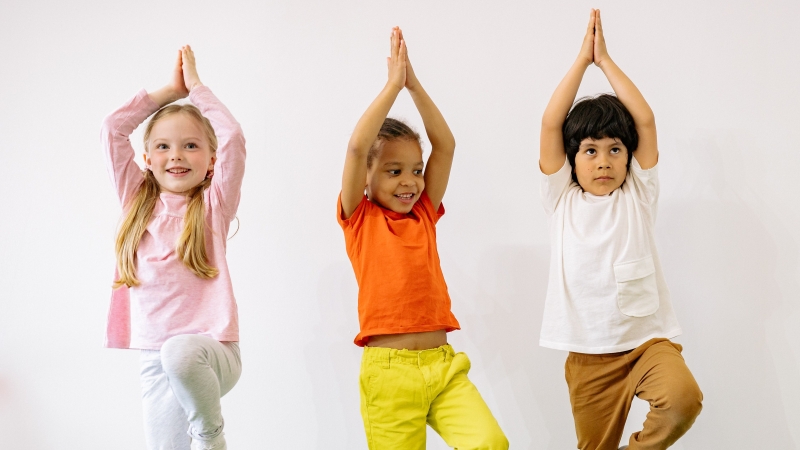
This doesn’t mean ignoring disruptive behaviour or allowing conflict to continue. The pause is about giving yourself (the teacher) space to choose a suitable response, rather than simply reacting.
What’s key is the concept must become: ‘before we solve this conflict, can we understand it first?’
Moving past being right
Even with the best reaction to conflict, there seems to be the looming notion that someone has to be ‘right’.
Rather than following the typical narrative of blame, where Student A did something → Student B reacted → someone is to blame. A restorative approach (emphasising repairing harm) can shift the focus from determining who’s ‘right’ to understanding who was affected and what needs to be addressed. By reframing the conversation this way, we shift from blame to understanding, whilst paving the way for more meaningful repairs. Such an approach is more likely to prevent conflicts from relapsing.
How can we ensure that we interpret someone’s perspective correctly? It isn’t always straightforward; students, in particular, may bring a mix of languages, traditions, identities, and family histories that shape how they perceive things. The same interaction, therefore, can be interpreted in 20 different ways by 20 different students; so, teachers following a restorative, calm approach creates space for a student’s experience to be expressed freely.
Disagreement = Learning
What if the goal isn’t to create a classroom where students never disagree? Instead, modelling these kinds of behaviours to students can show them the skills they need to navigate conflicts. A classroom where students can disagree respectfully and realise the personal weight behind a person’s reactions. We aid them in becoming more empathetic, thoughtful and more capable of resolving disagreements in a healthy way.
But these skills also contribute to each student’s sense of belonging. Research has shown that when students feel they can express differing opinions without jeopardising their security or place in the classroom, they become more willing to take risks, persevere through challenges, and develop stronger relationships with their peers.
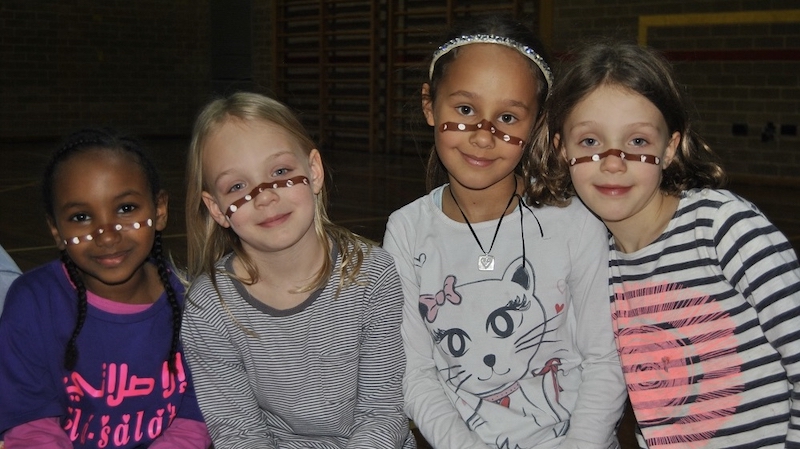
Belonging doesn’t require everyone to communicate in the same way. A classroom can be a space where differences and disagreements coexist alongside respect.
What else can teachers do in the moment?
Combining all of the techniques we have previously mentioned, if a conflict were to arise, what would applying them practically look like in the classroom? Pausing gives teachers space to respond thoughtfully rather than impulsively; combining this with a restorative approach shifts the focus from blame to understanding each perspective.
This understanding can be reflected in the kind of language we use with students:
Instead of: ‘Who started this?’
Try: ‘What happened from your perspective?’
OR
Instead of: ‘Why did you do that?’
Try: ‘What were you trying to communicate here?’
These questions don’t need to turn every disagreement into a lengthy discussion. Even a small shift in language can change how students approach conflict.

It becomes clear that the most productive response isn’t to make the conflict disappear, but to slow down enough to understand what it is telling us.
Through these strategies for navigating conflict, teachers can develop skills to turn difficult classroom moments into opportunities for connection and learning.
In doing so, you are creating a safe environment for both you and your students. In doing so, you create a place where they feel they can belong. A place where they are more likely to contribute, raise issues and hopefully learn more effectively.
Want to explore practical strategies for navigating conflict in the classroom? Discover Cultural Infusion’s professional development courses on our platform Learning Hub and learn how to move from conflict towards understanding, belonging and repair.